Borderland Cantos
I am interested in the many forms borders take in 21st century.
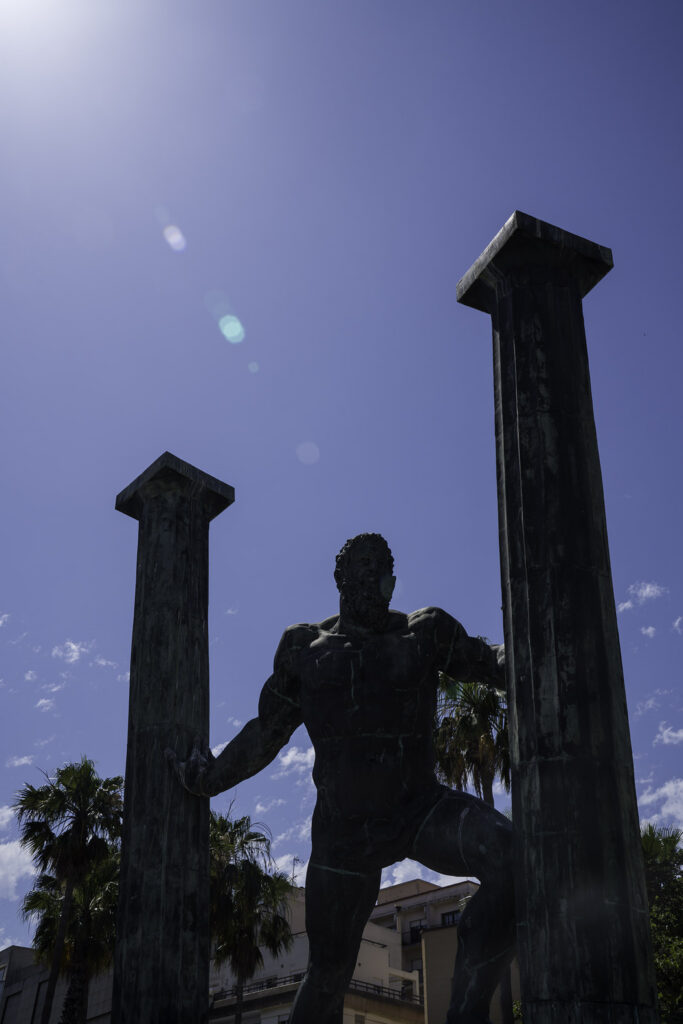
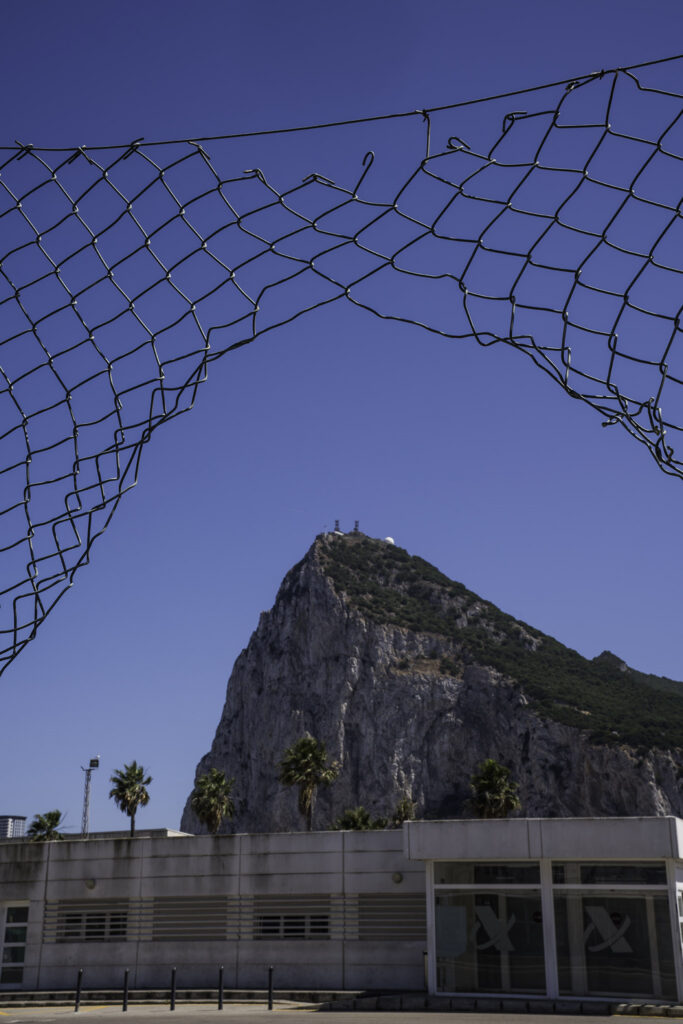
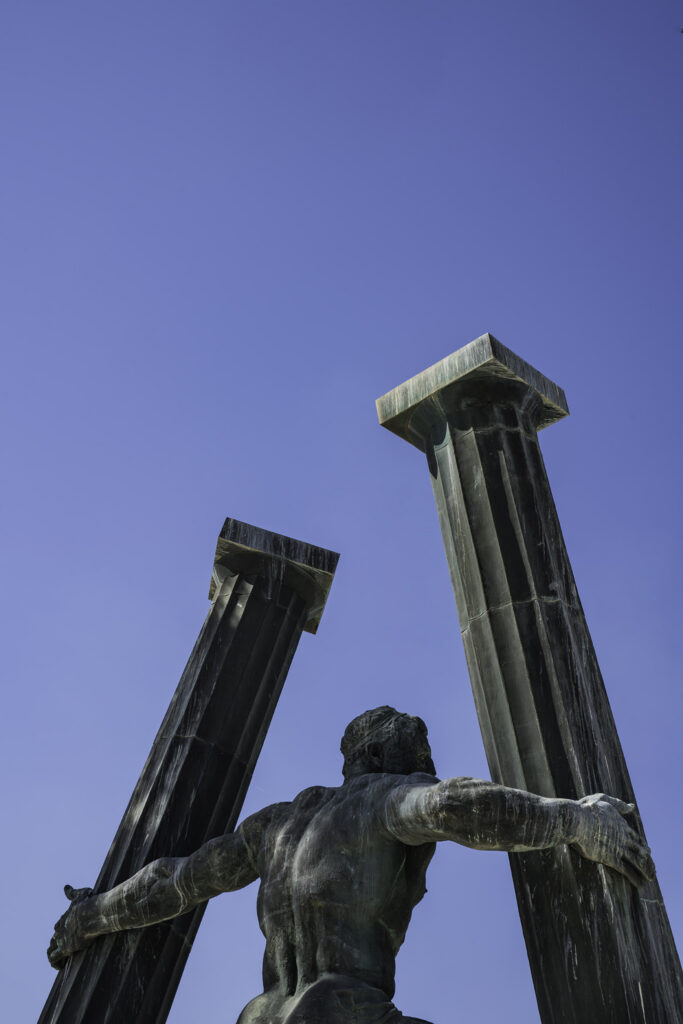
The Strait of Gibraltar, known since antiquity as the Pillars of Hercules, is a landscape where myth, geography, history, and human movement converge. At the southern tip of Spain, the Rock of Gibraltar rises above the narrow strait that separates Europe from Africa. Across the water, the Moroccan mountain Jebel Musa forms the second pillar of the Herculean myth. Together they mark a symbolic threshold between the Mediterranean Sea, the cradle of ancient civilizations, and the open Atlantic Ocean that once signified the unknown.
For millennia, this narrow passage has functioned as both gateway and barrier. Phoenician traders, Carthaginians, Romans, and later Arab and Berber armies crossed here, leaving cultural and political traces that still shape the region. In 1713, Gibraltar became British territory, transforming into a fortified enclave controlling maritime access between the Atlantic and Mediterranean.
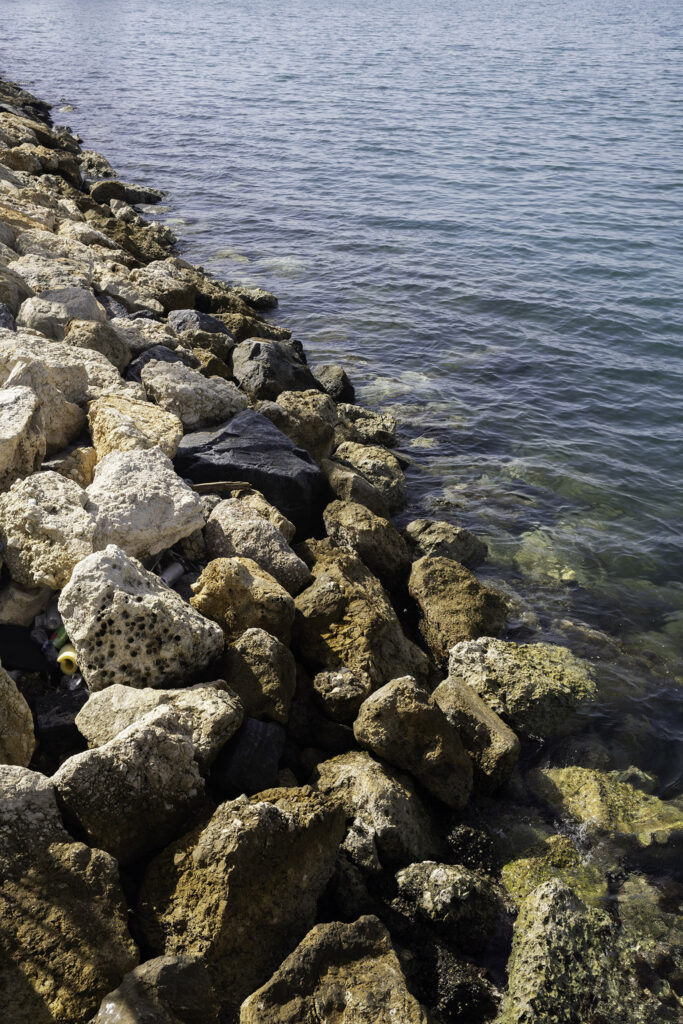
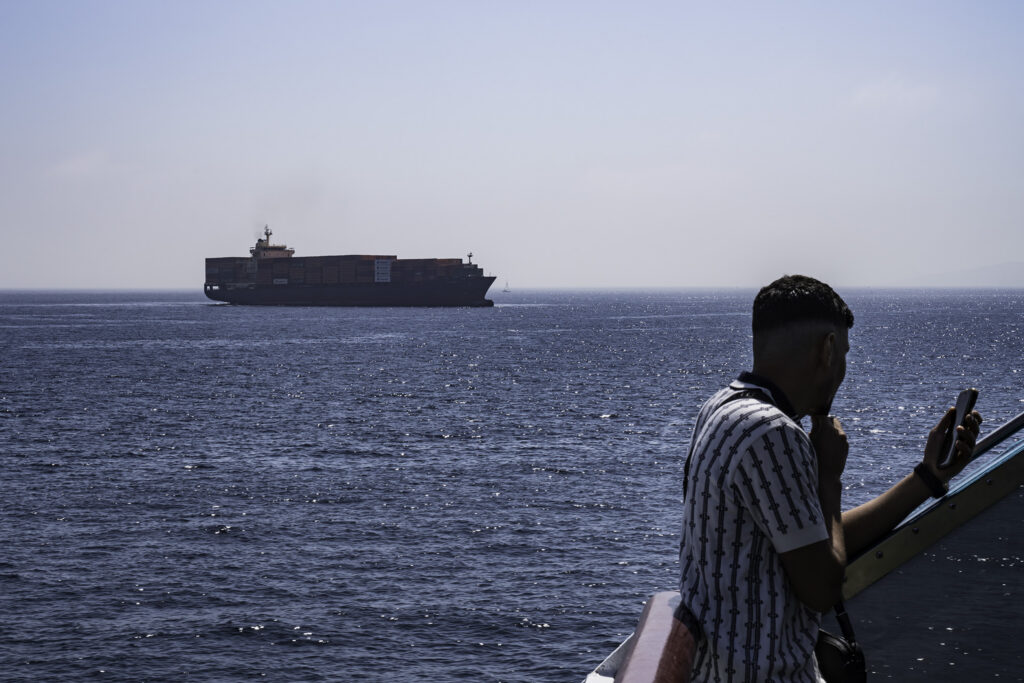
Today, this same nine-mile stretch of water remains a geopolitical chokepoint and a fragile crossing point between the industrialized North and the Global South. Migrants from Sub-Saharan African countries such as Senegal, Gambia, and Sierra Leone risk the passage in fragile boats, navigating strong currents, volatile weather, and heavy shipping traffic in pursuit of safety and economic opportunity in the European Union. The strait functions simultaneously as passage, border, and symbol: an edge between continents and a mirror of global inequality.
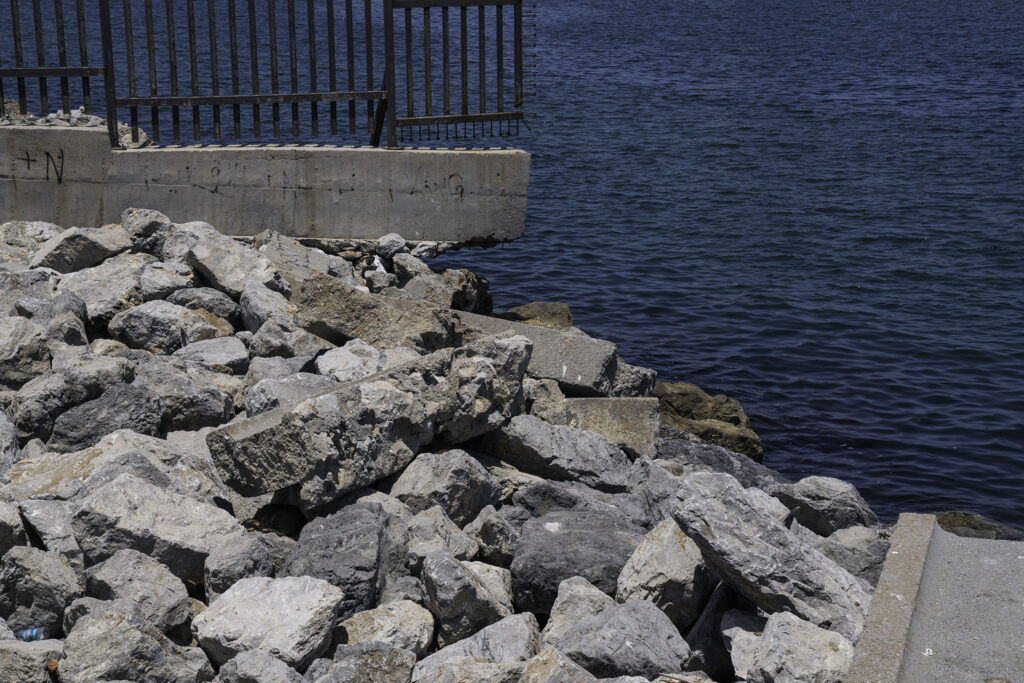
My interest in this part of the world developed in response to a conflict over another consequential waterway, the Strait of Hormuz. In addition to considering all the global impact of that conflict, I became interested in the idea of a strait as both a landscape and a metaphor. A strait connects two larger bodies while simultaneously constricting the space between them. It is a corridor for migration and cultural exchange, but also a site where passage can be monitored and restricted. This tension between movement and control became the starting point for my visual exploration of the Strait of Gibraltar.
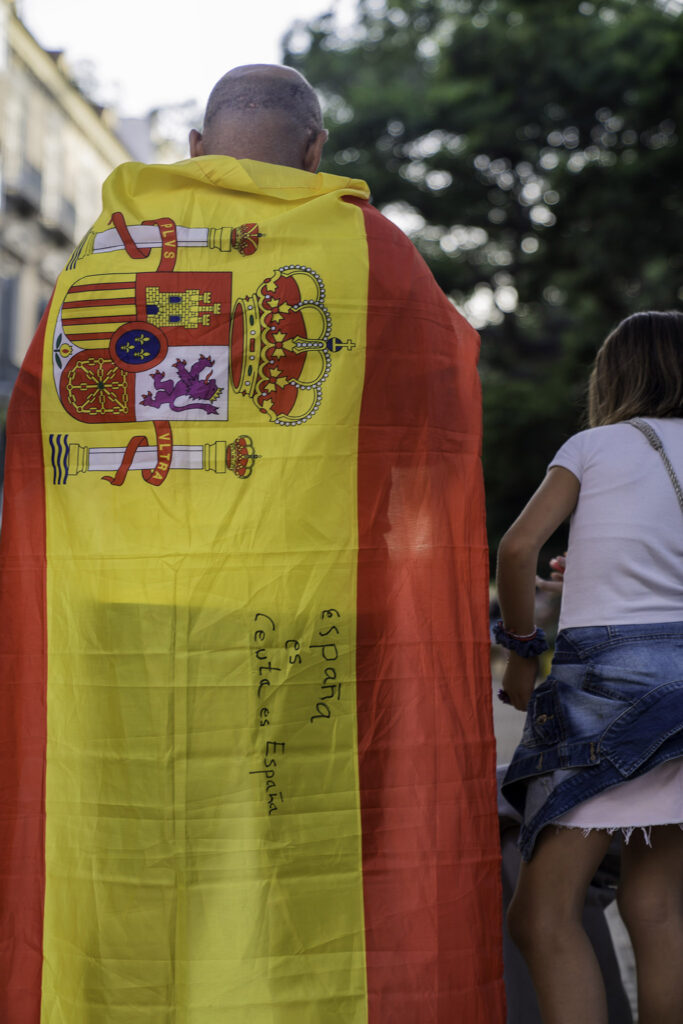
Since starting my project in May of 2026, two significant and contrasting geo-political events occurred, illustrating the urgent significance and stress of this dense geographical area. In July of 2026, Spain and the Great Britain reached a treaty to remove the physical border fence and passport control separating Spain and Gibraltar territory for the first time in 117 years. Only a few days later, on the African side of the Strait, in a single day, tens of thousands of migrants from Marocco rushed the border of Spain’s two oversea territories, Ceuta and Melilla, in hopes of reaching the safety and prospects of the European Union. Most of them were returned to Marocco, while thousands remained in Ceuta in precarious conditions, demanding asylum. These events on opposite sides of the same body of water reveal how borders function differently, depending on who is trying to cross them.
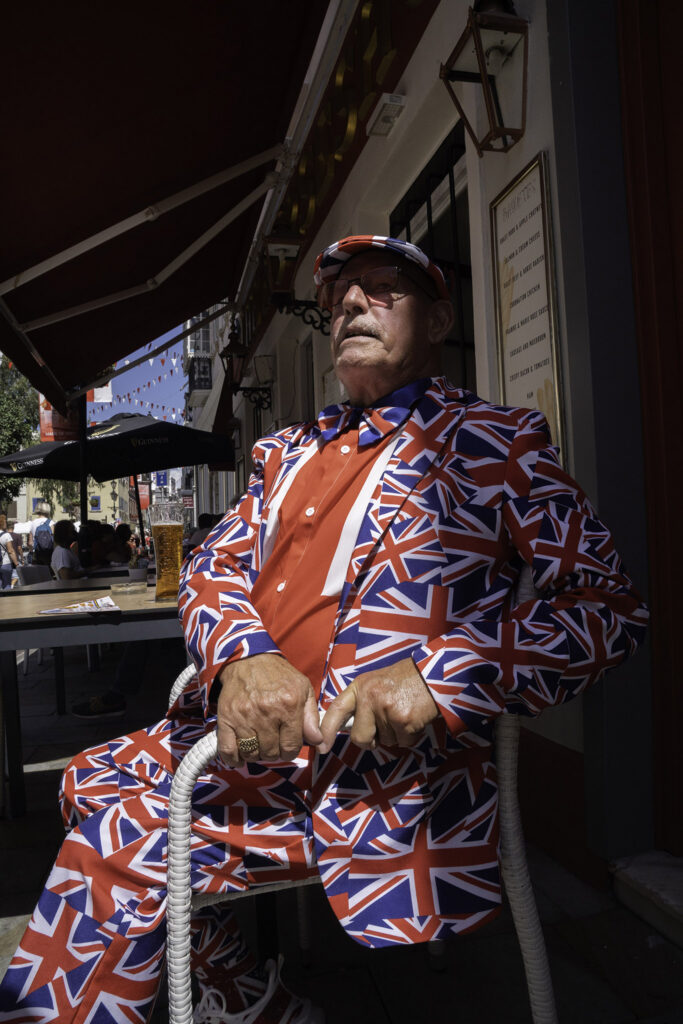
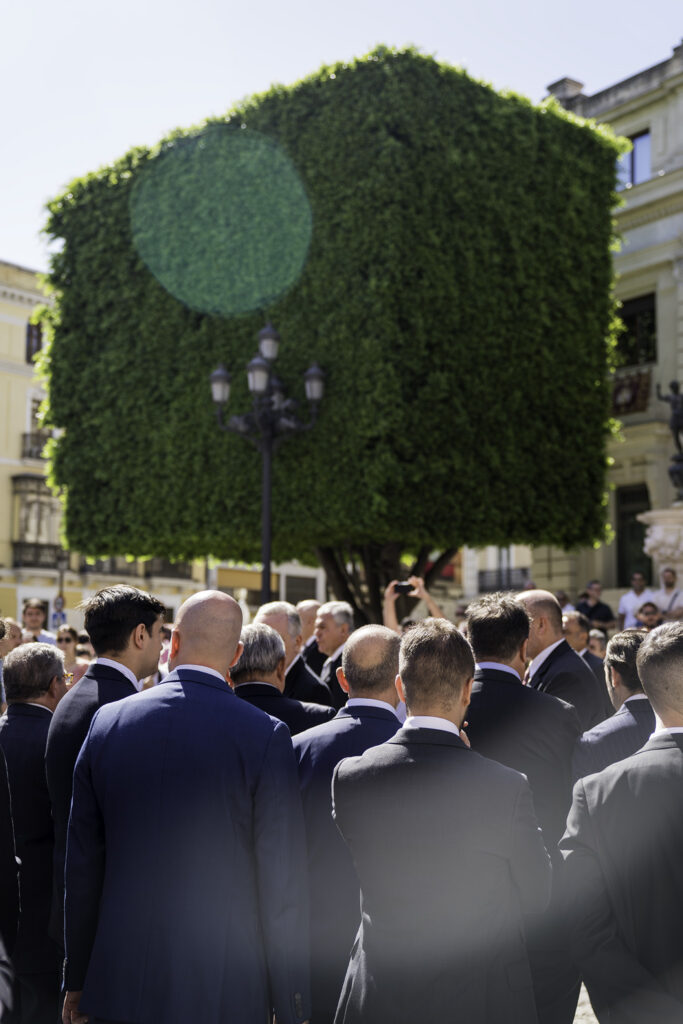
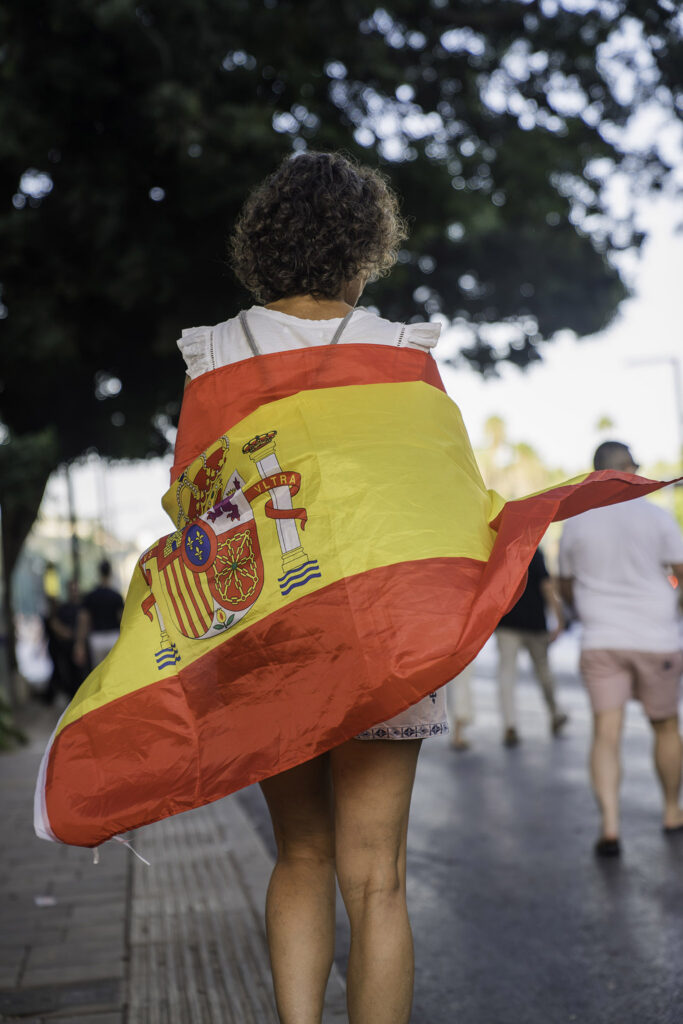
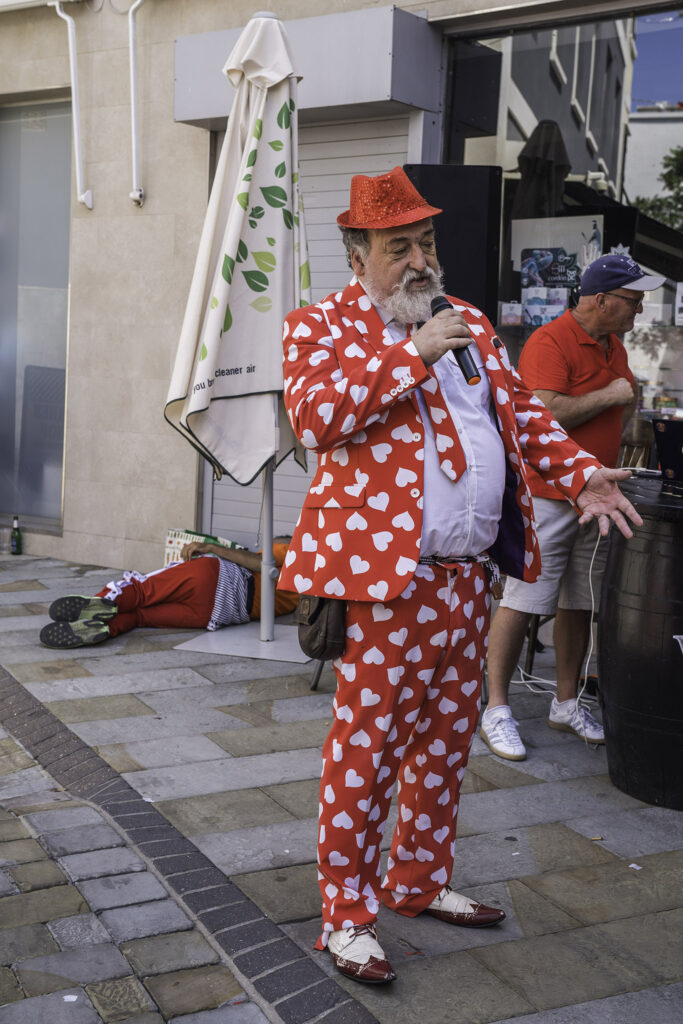
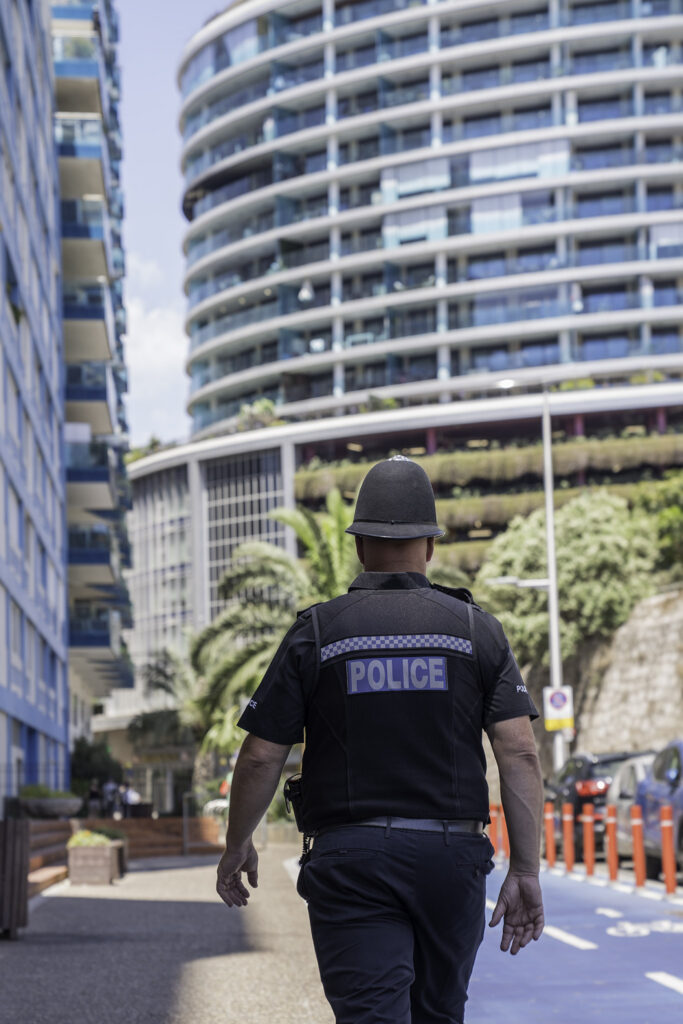
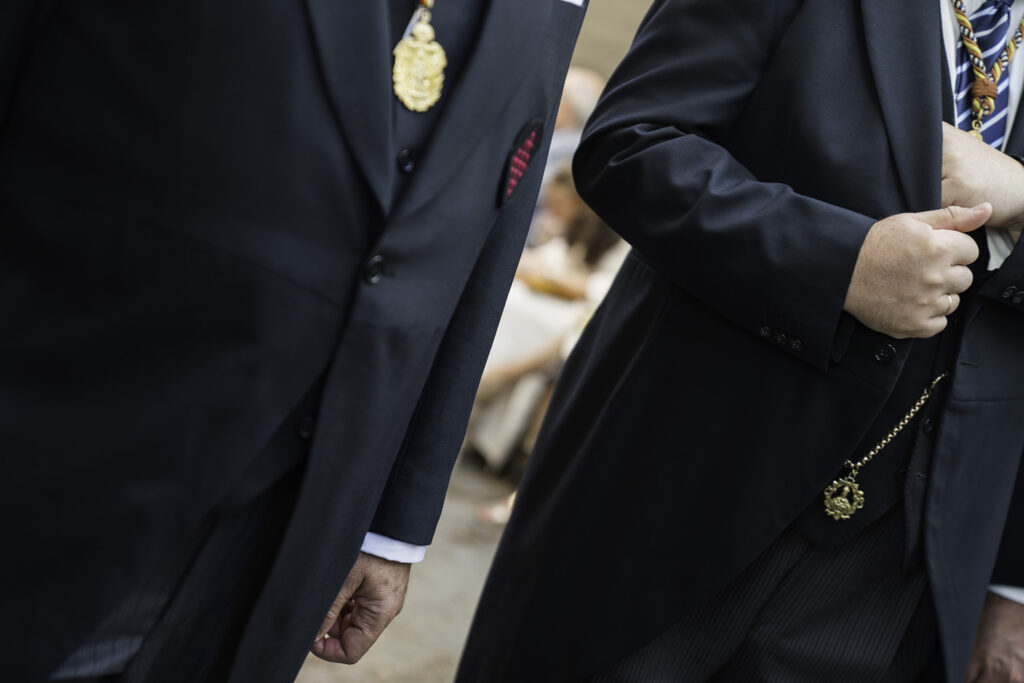
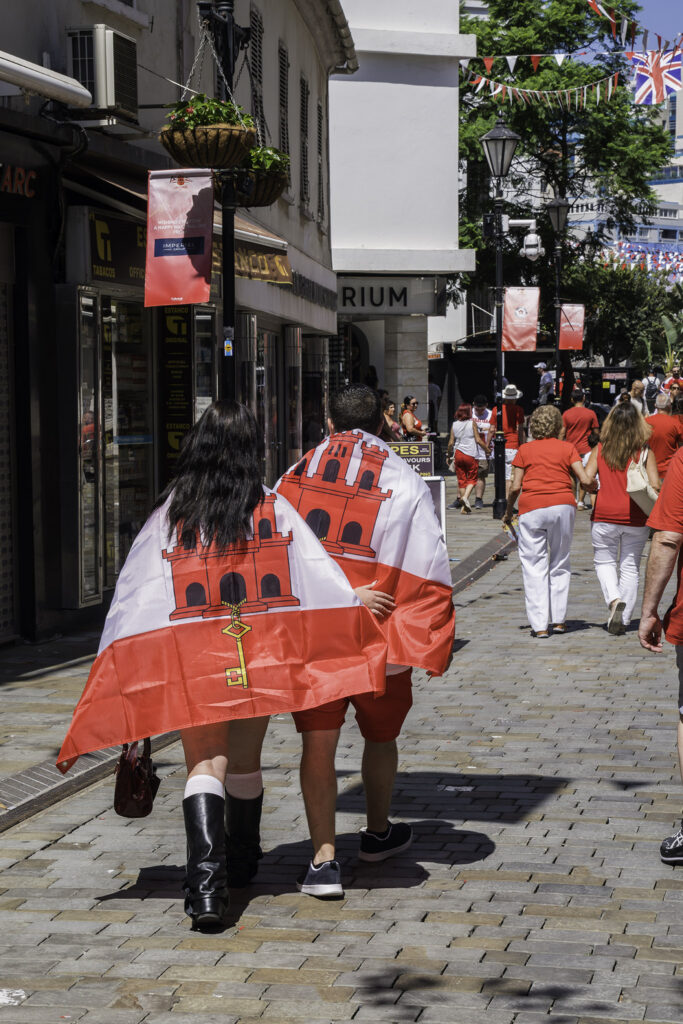
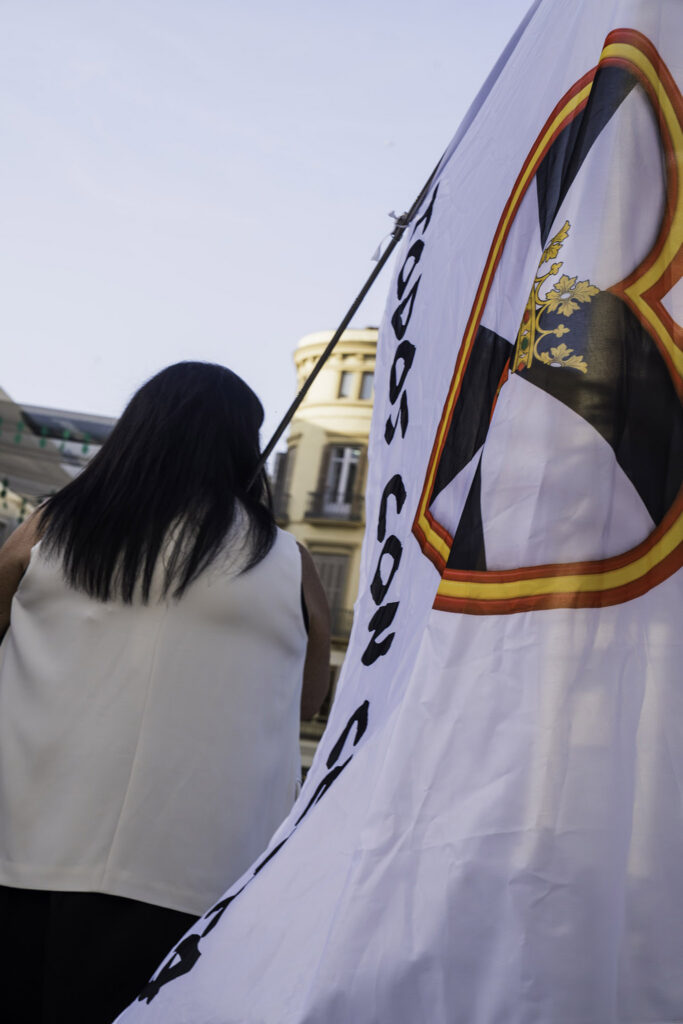
I photograph on both sides of the Strait: Gibraltar and the surrounding regions of Andalusia, and across the water in Spain’s territories in North Africa. By visually connecting the two “pillars”, the project examines how geography itself shapes political boundaries, migration routes, and cultural identities. Much like Islamic (Mudéjar) tilework, my series brings together landscapes, street scenes, and historical markers in a mosaic of once-and-future borderland.
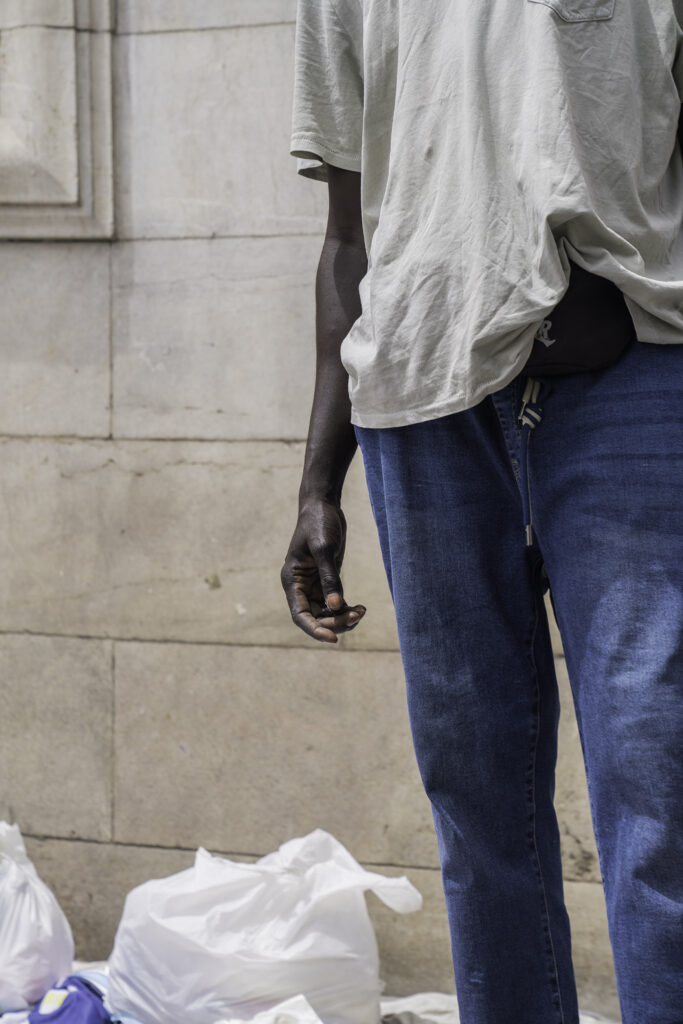
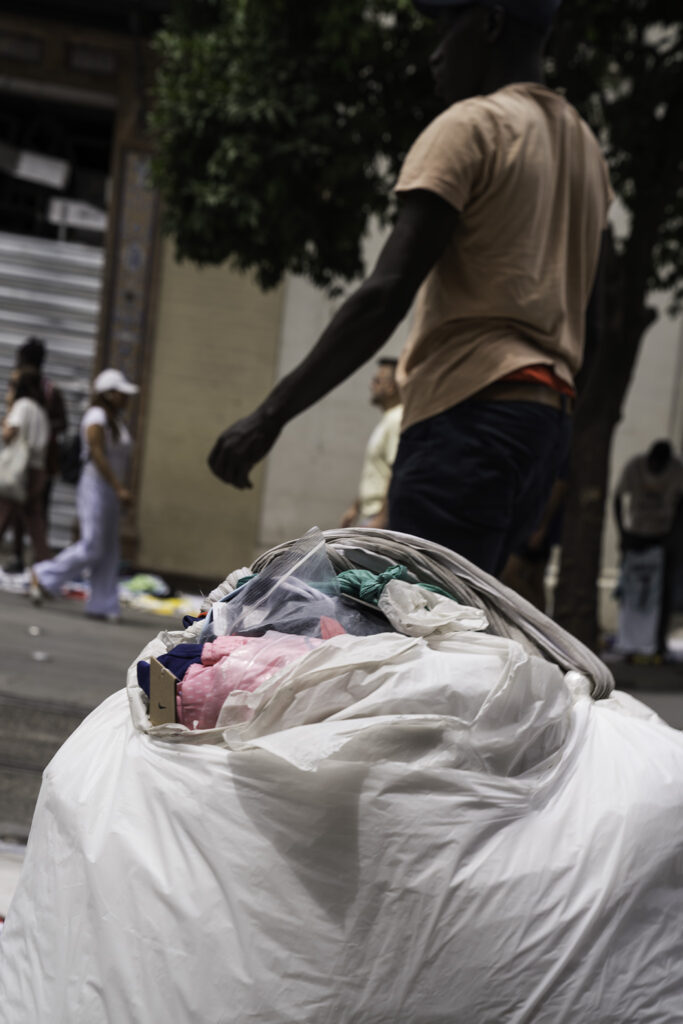
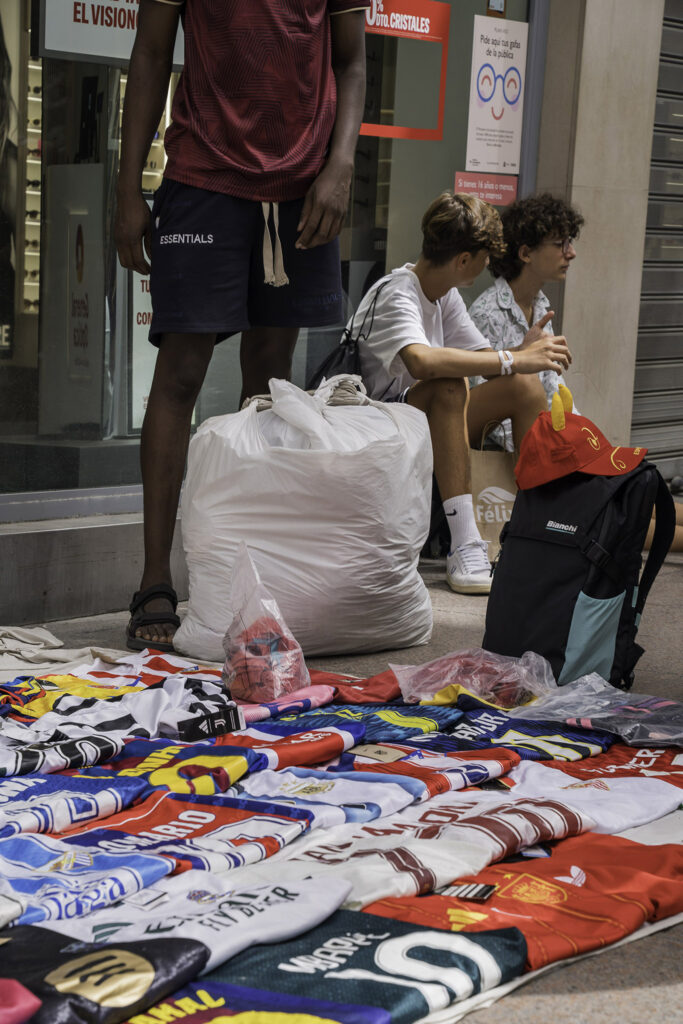
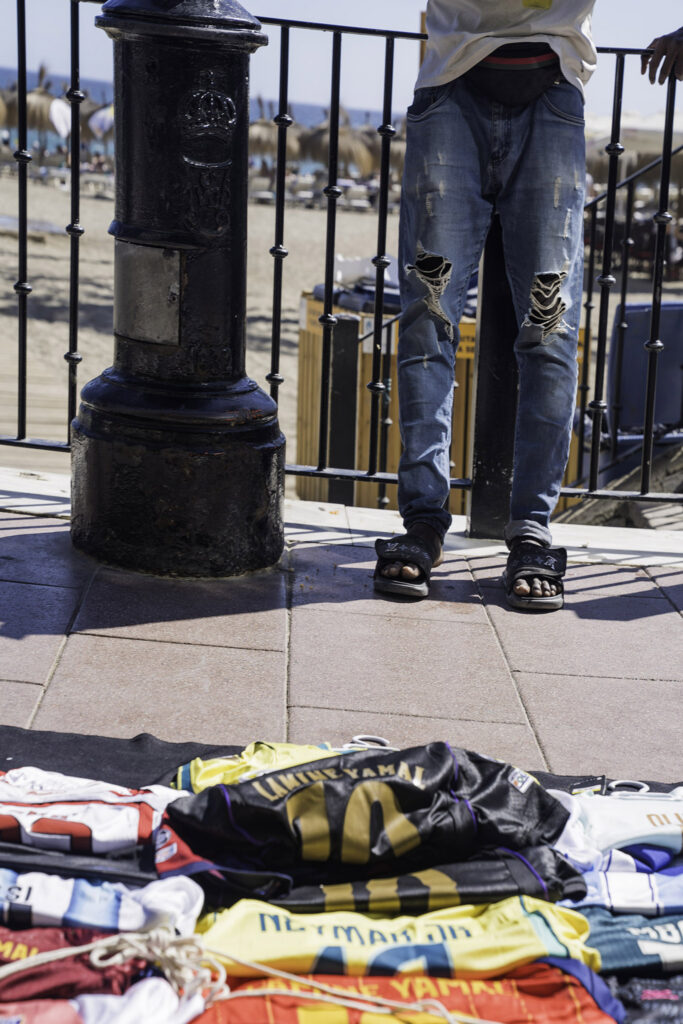
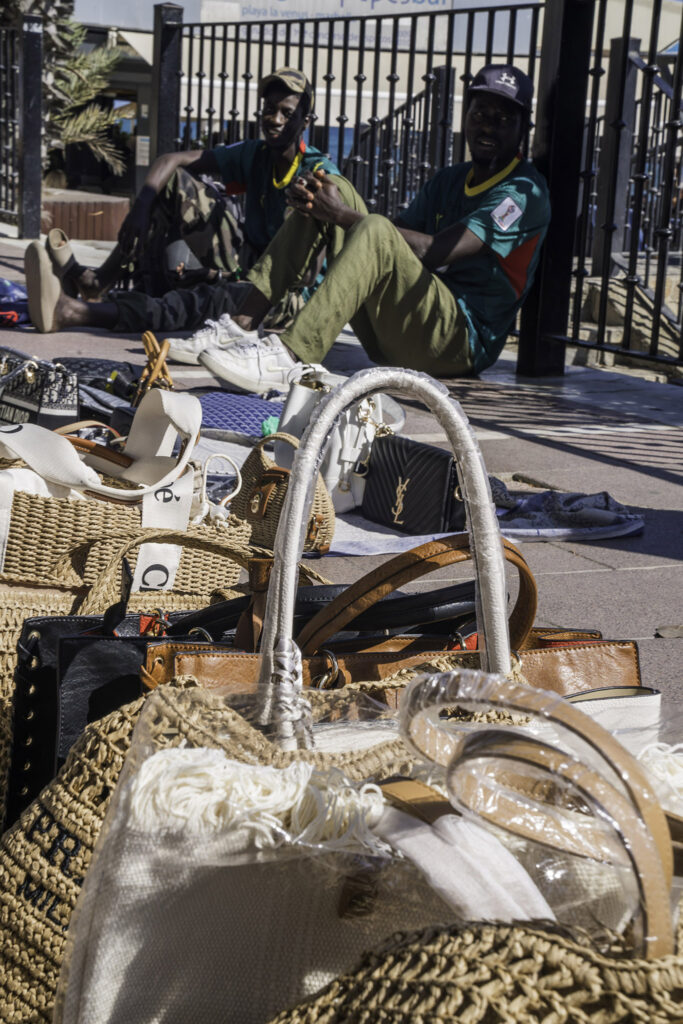
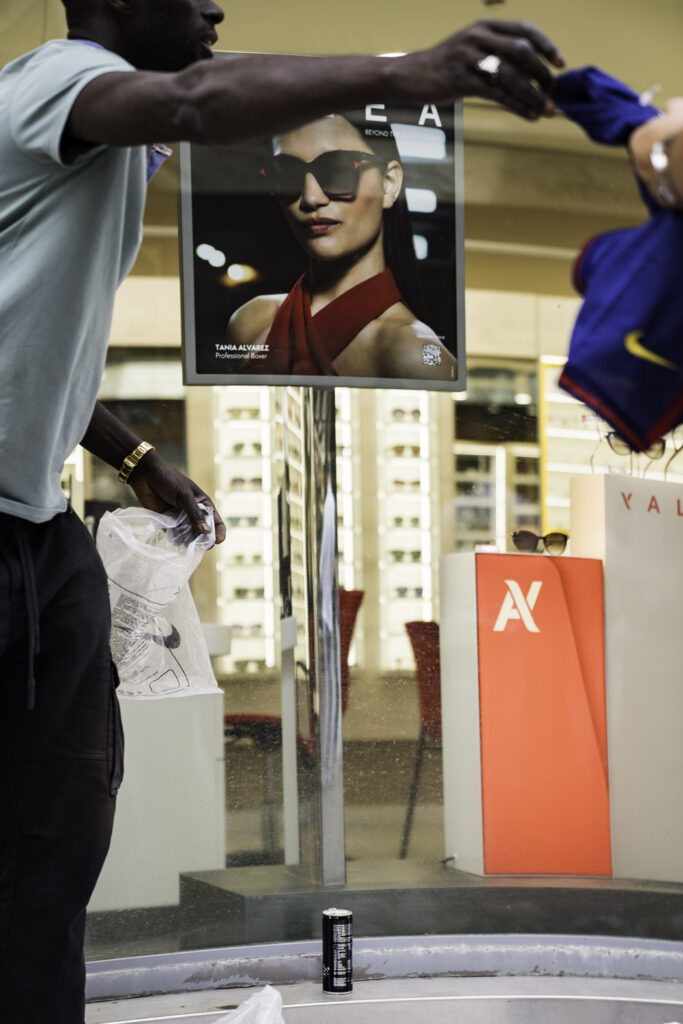
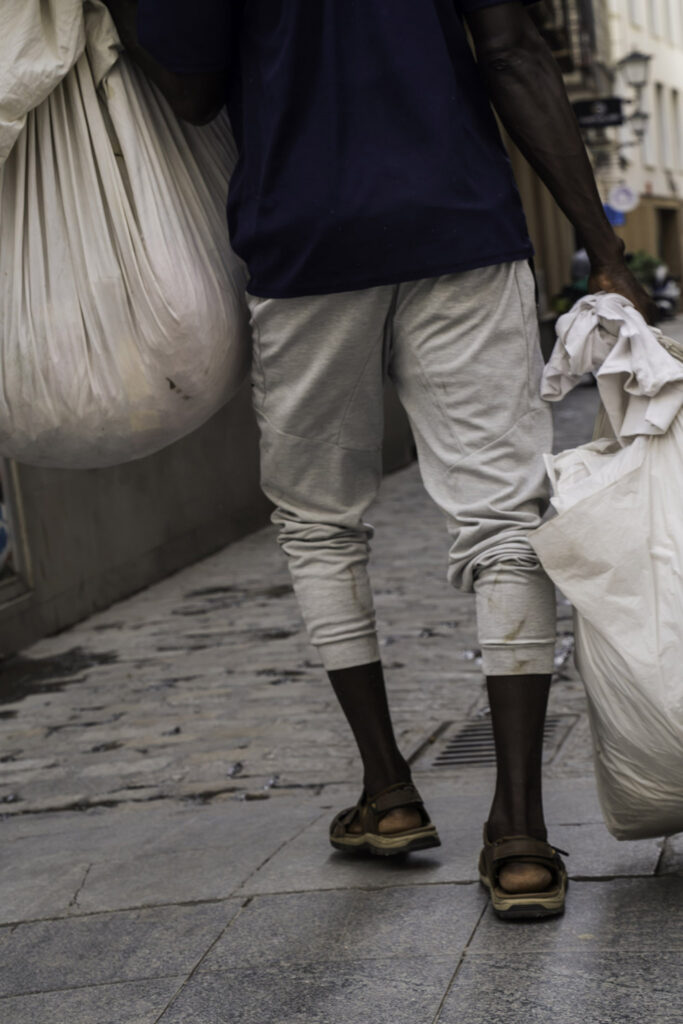
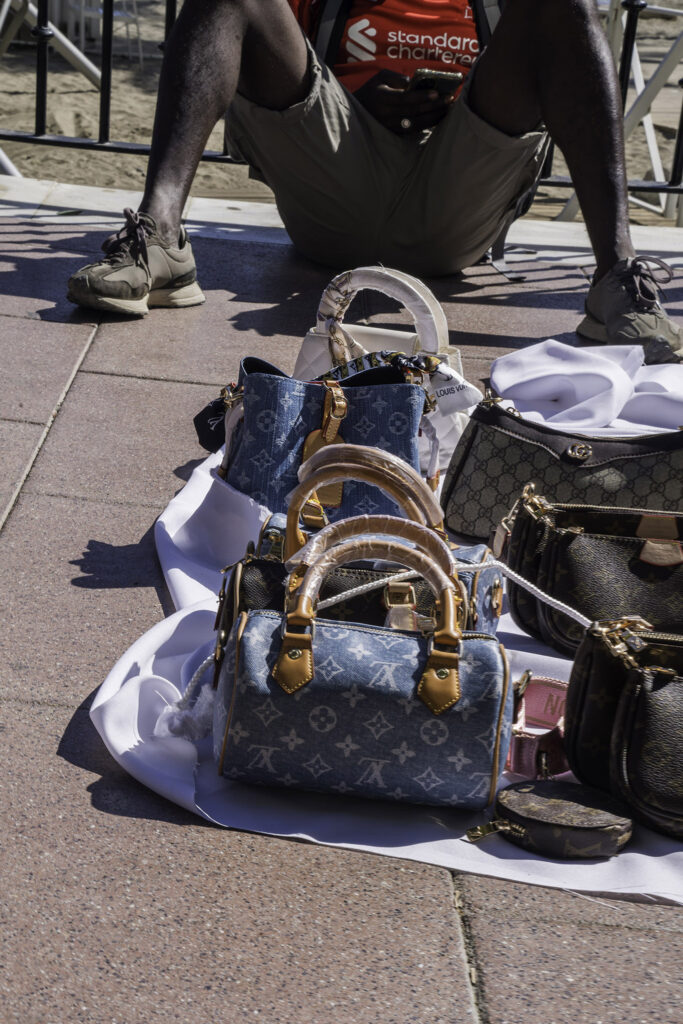
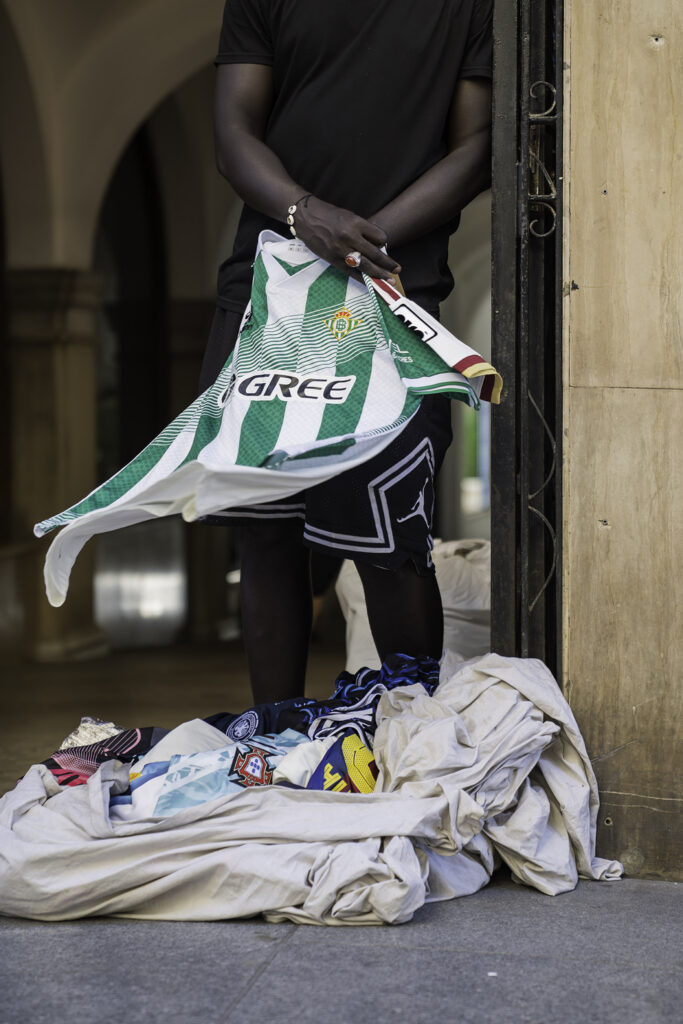
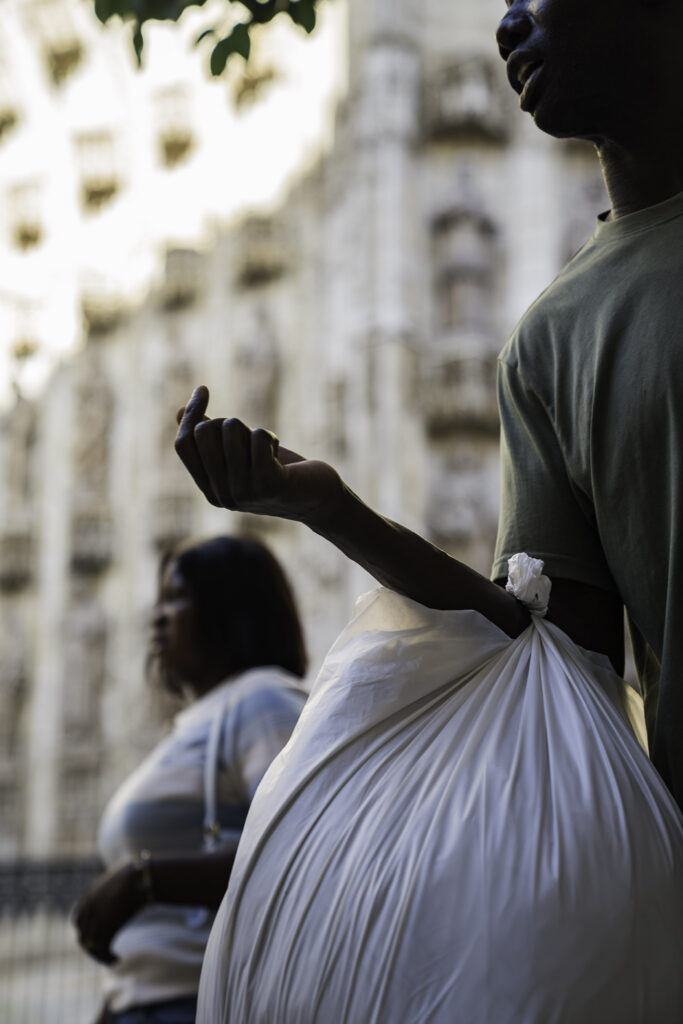
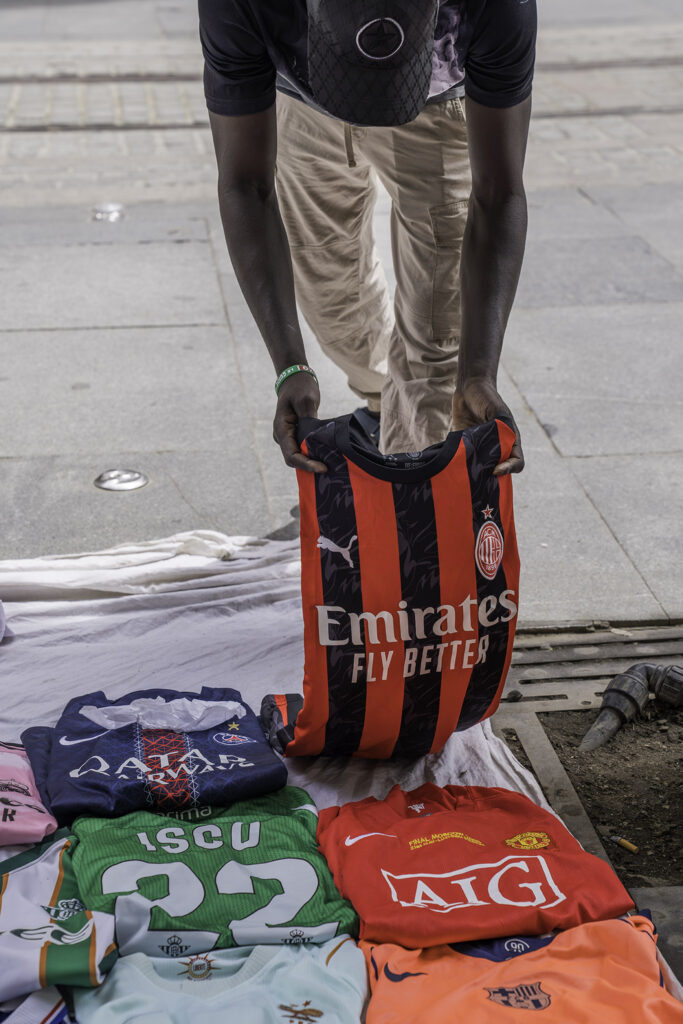
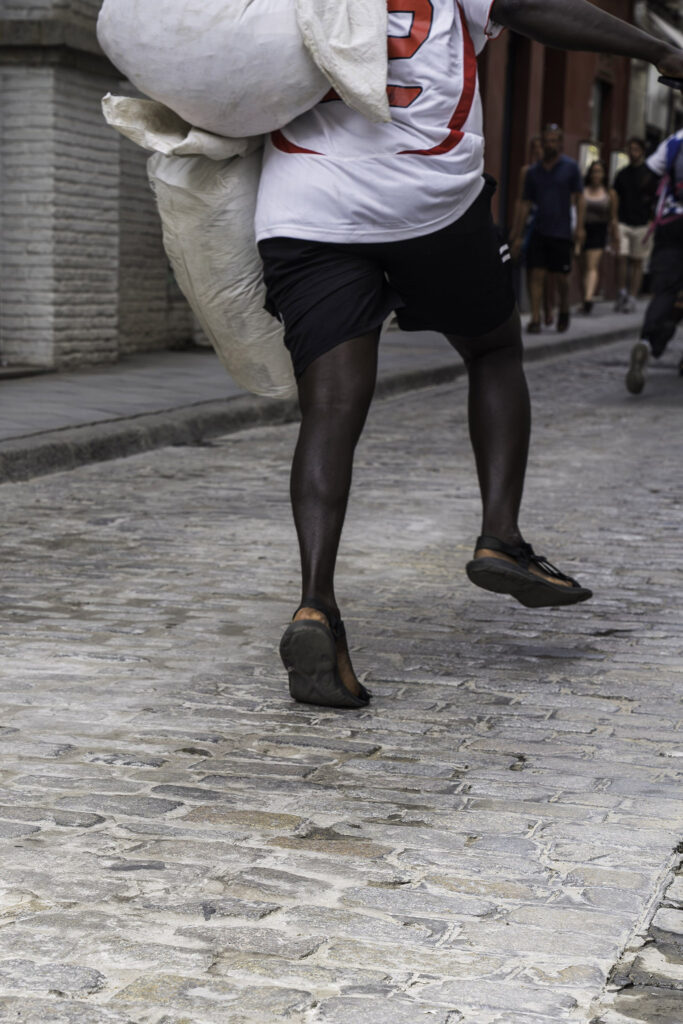
This lyrical visual narrative combines several motifs that inform and reinforce one another. Street scenes feature Manteros, undocumented West African street vendors who sell their wares to tourists from sheets, or mantas, which they are named after. Their presence is a human reflection of migration into the European Union through the Strait of Gibraltar. Their precarious (in)visibility within Spain’s urban landscape reveals the intersection of displacement, informal economies, border policy, and the everyday realities of global migration from the Global South into the Global North.
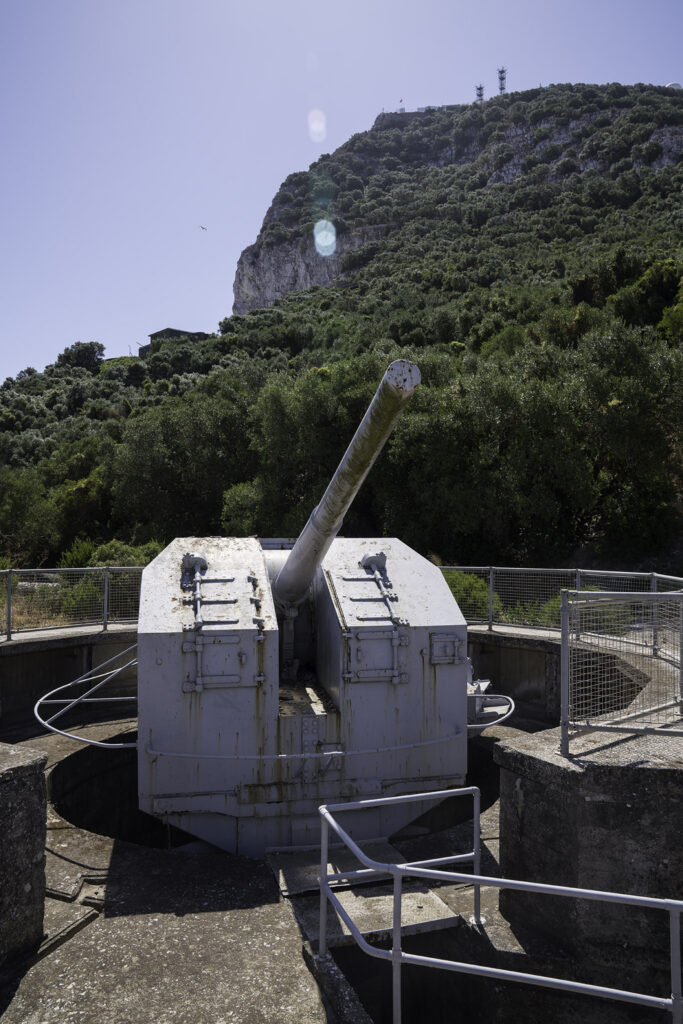
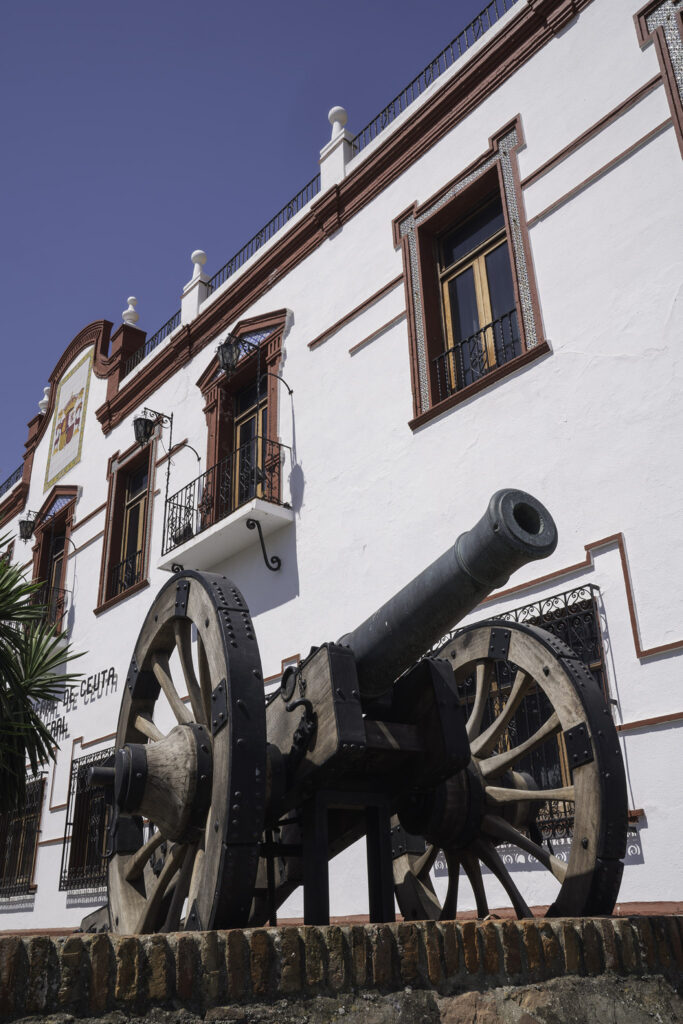
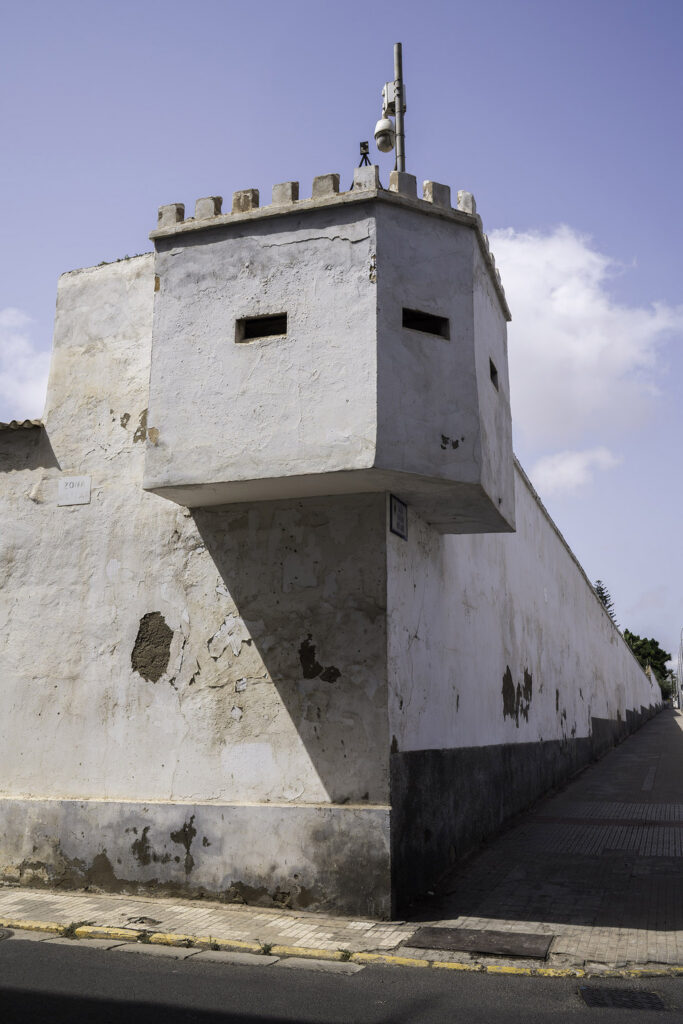
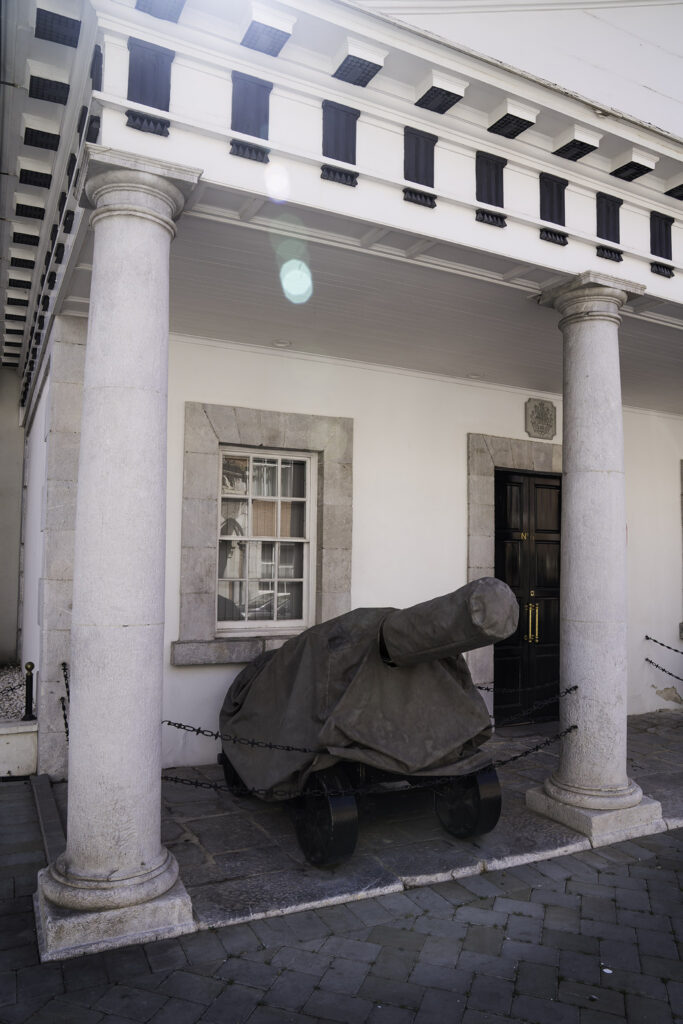
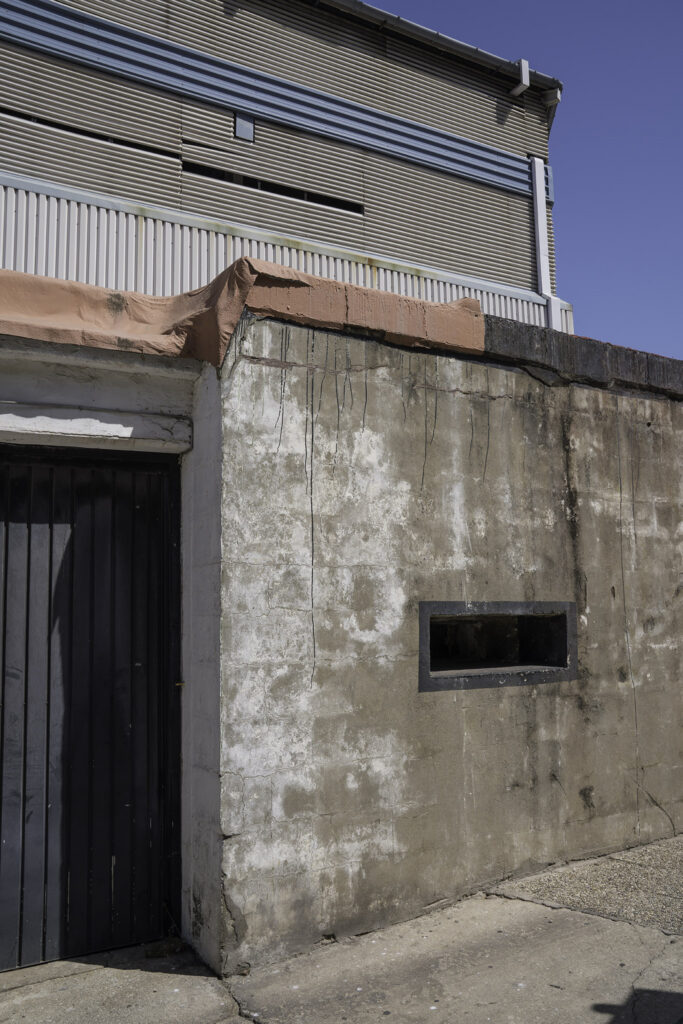
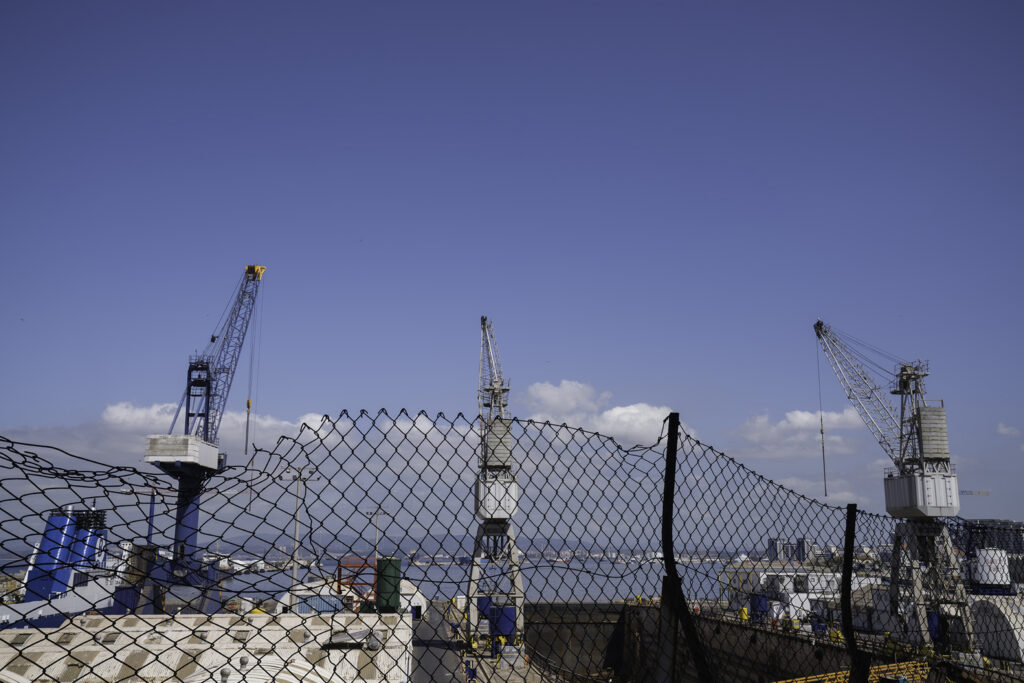
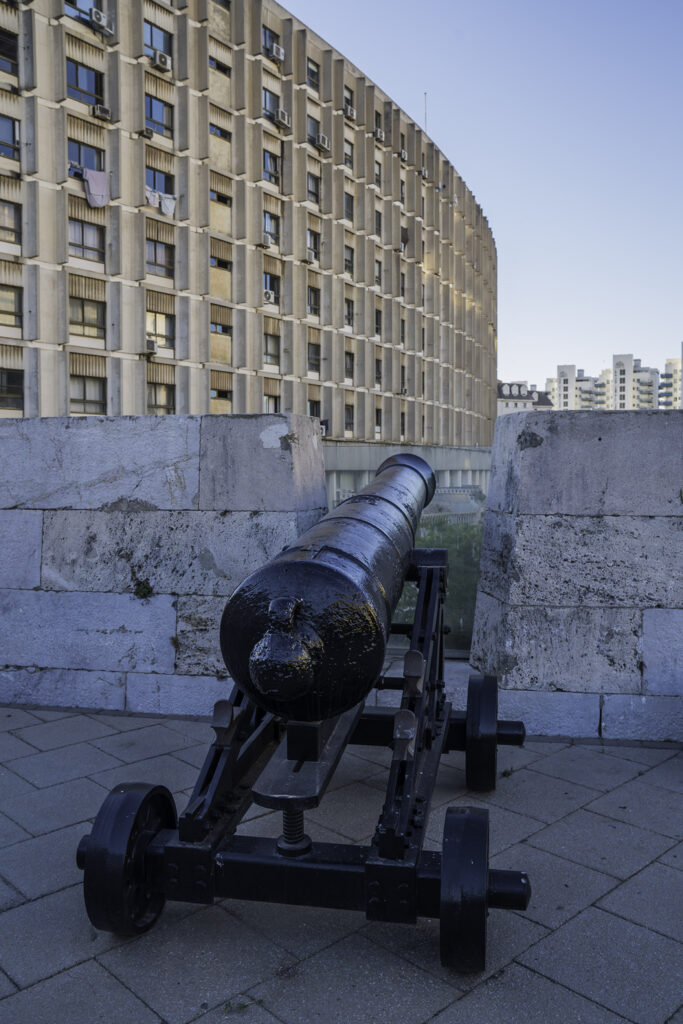
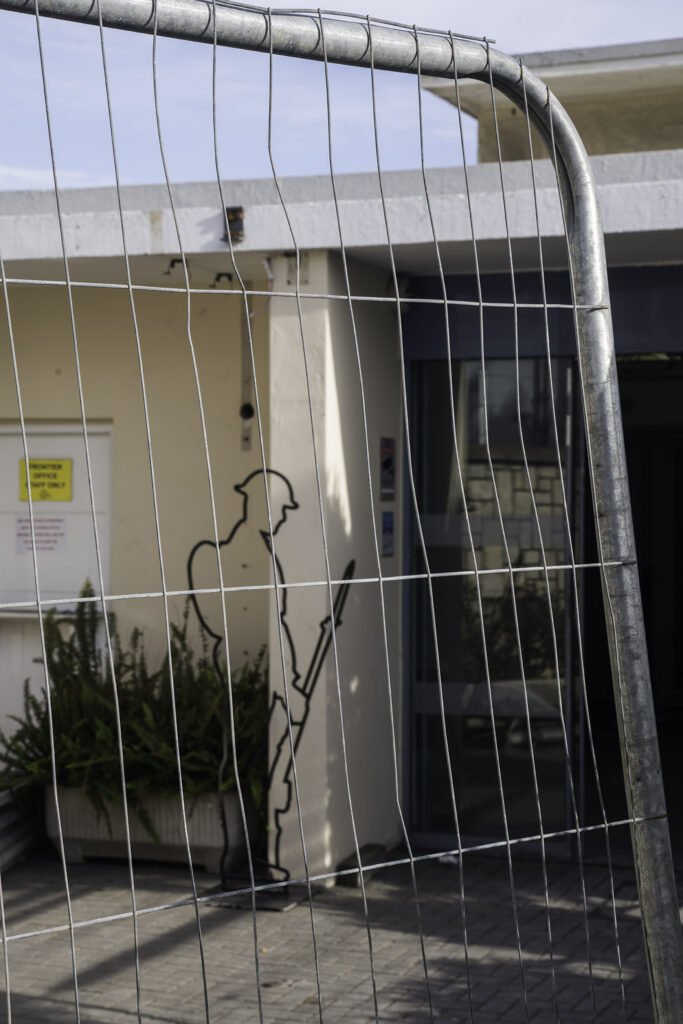
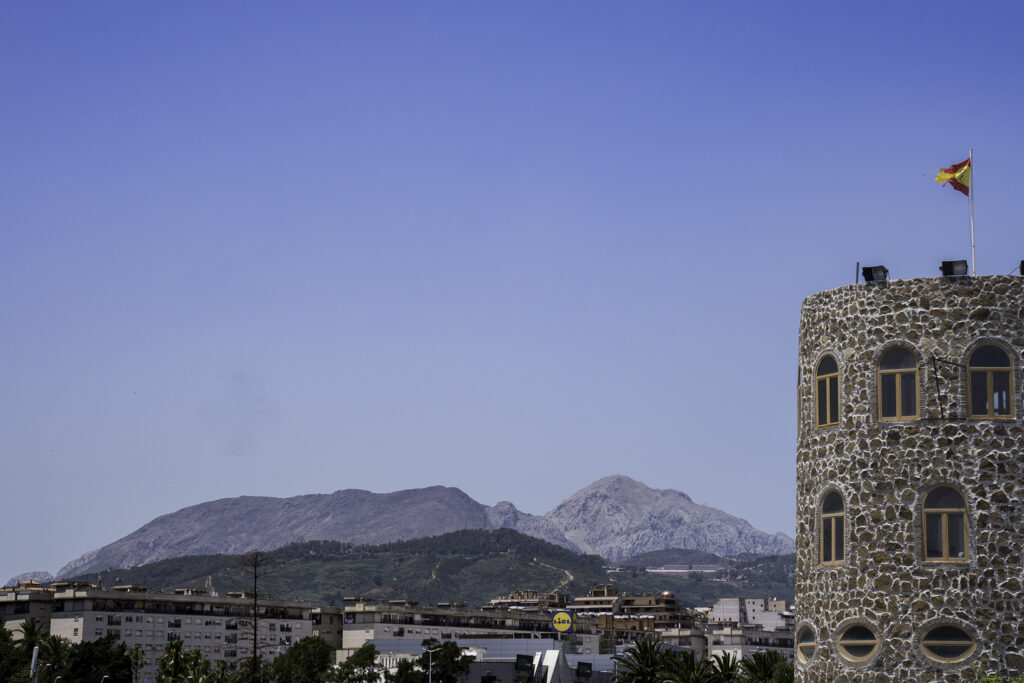
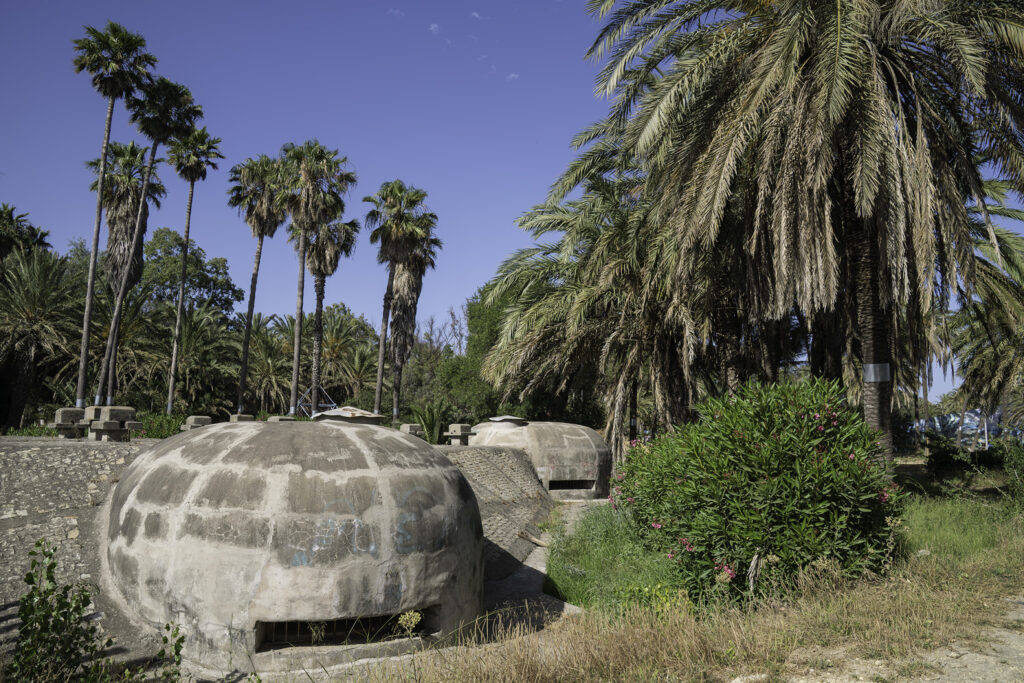
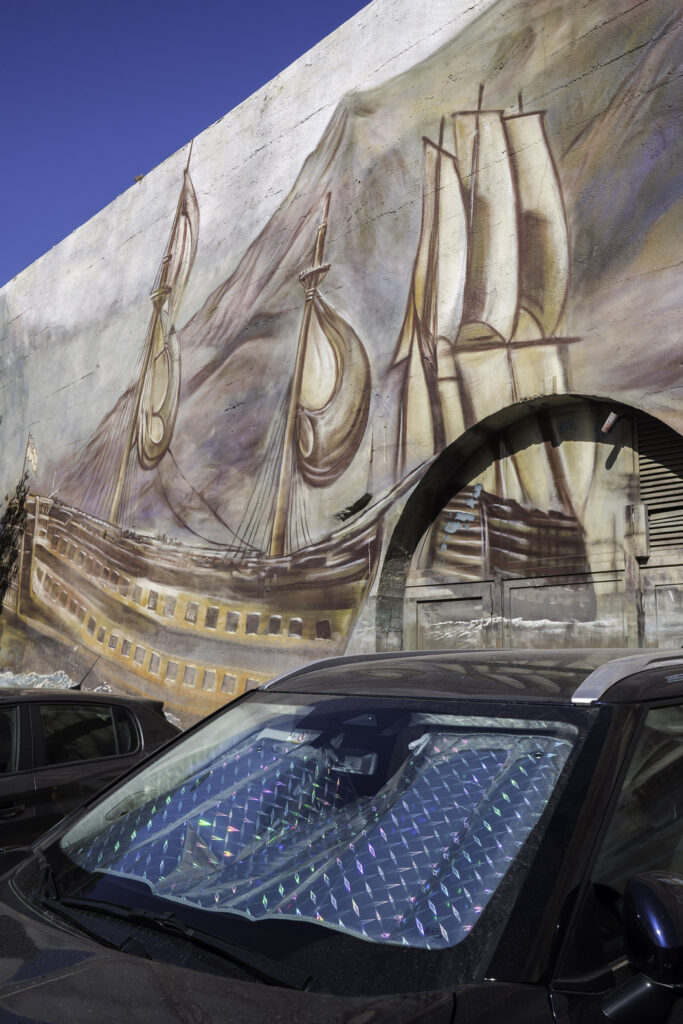
Alongside the Manteros are images of historical markers and architecture, often connected to periods of conflict: gun batteries, bunkers, forts, and monuments that reflect the long history of defending and enforcing borders and territories.
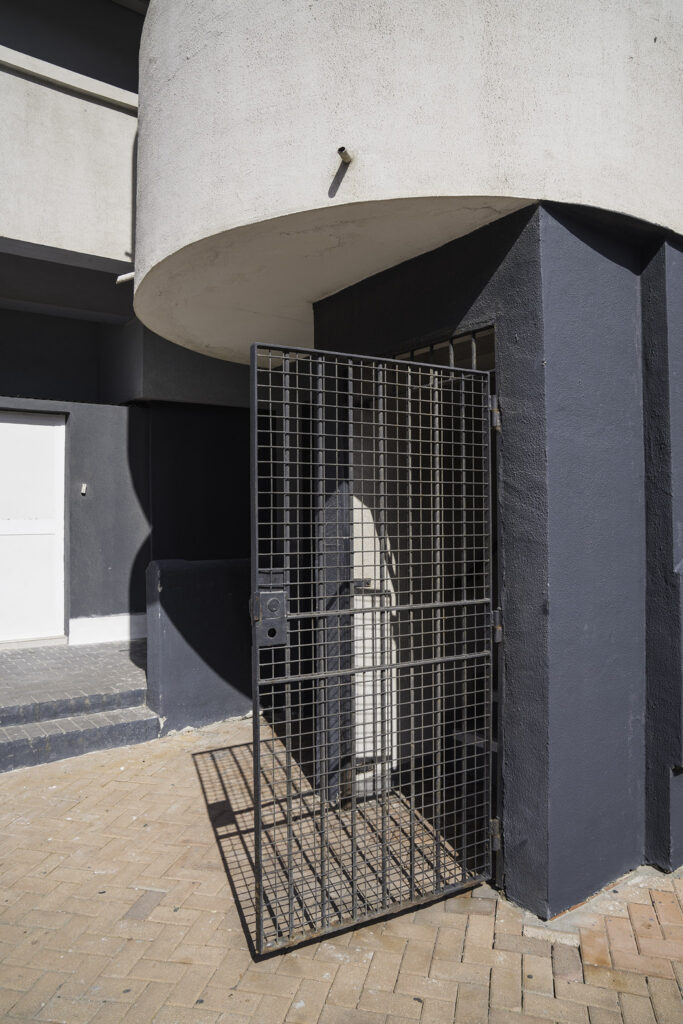
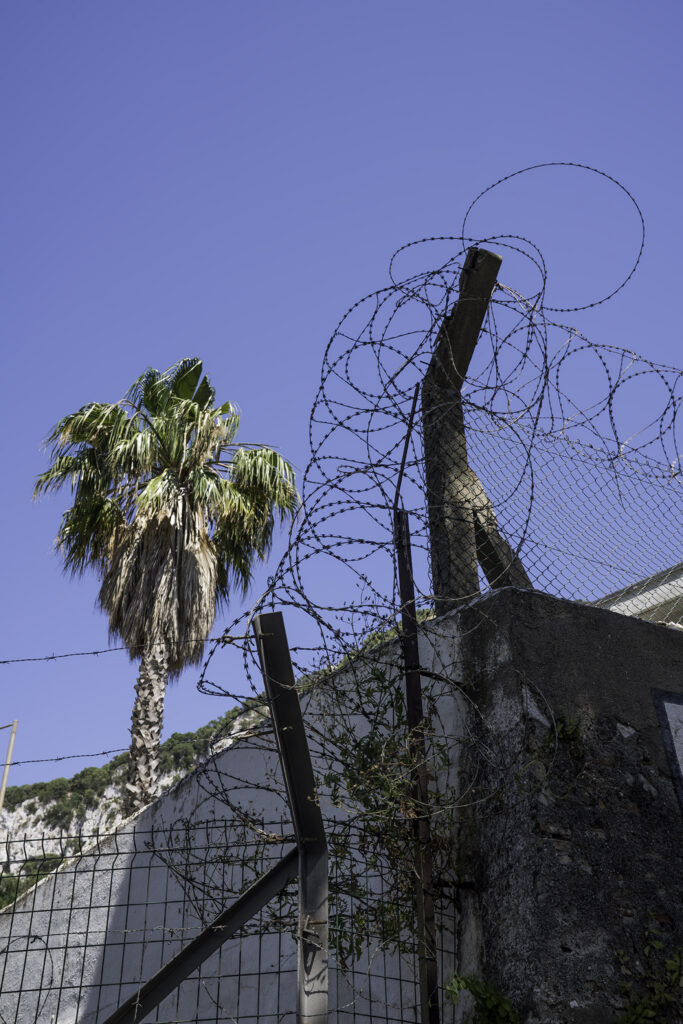
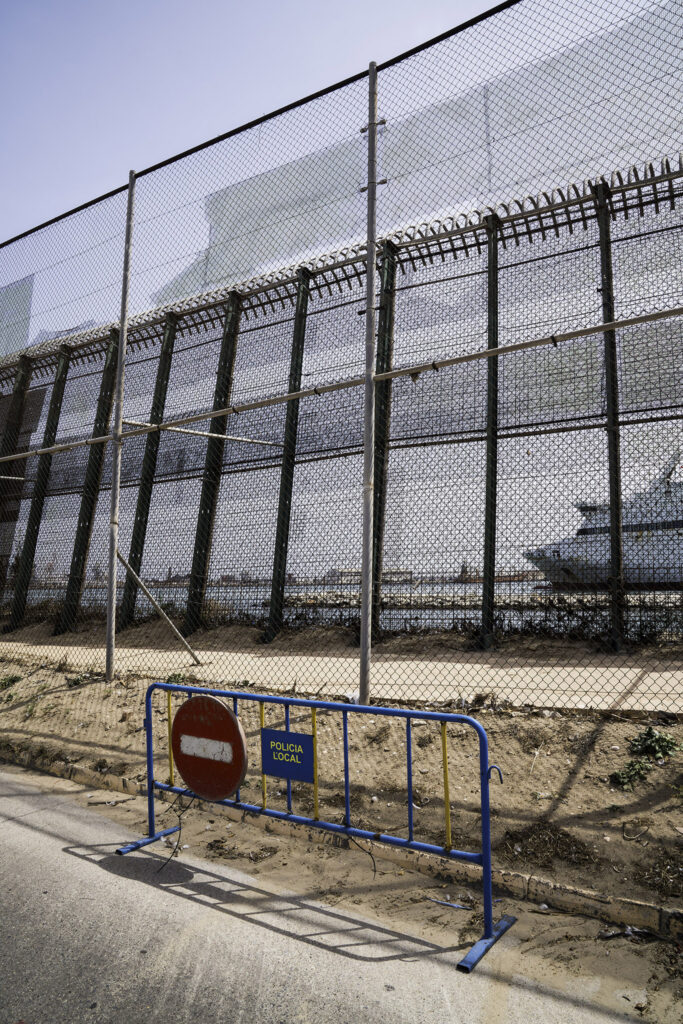
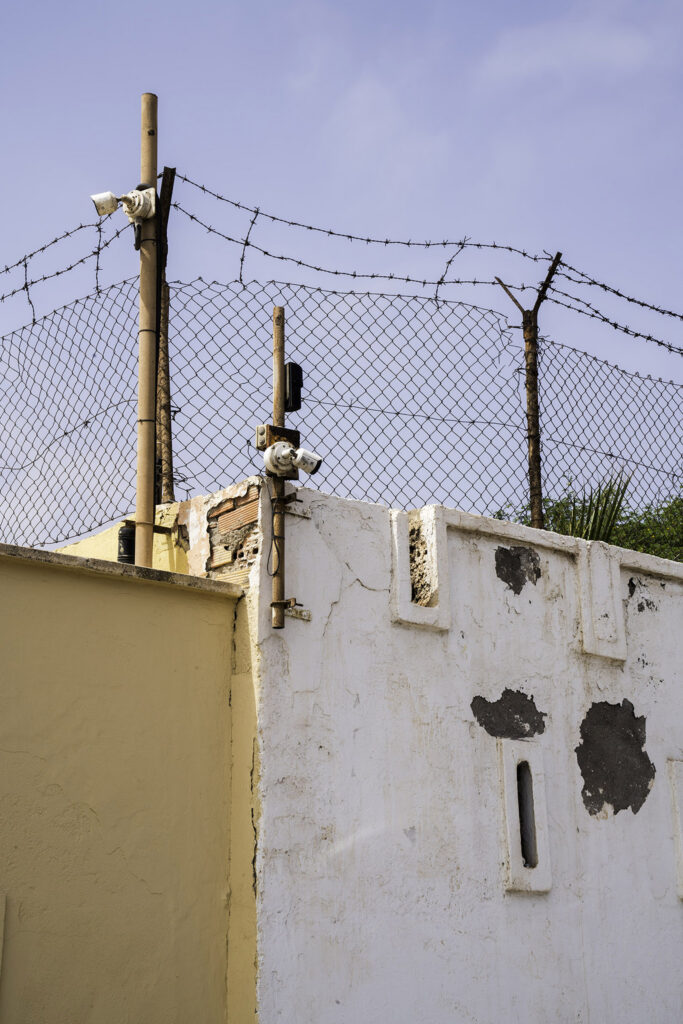
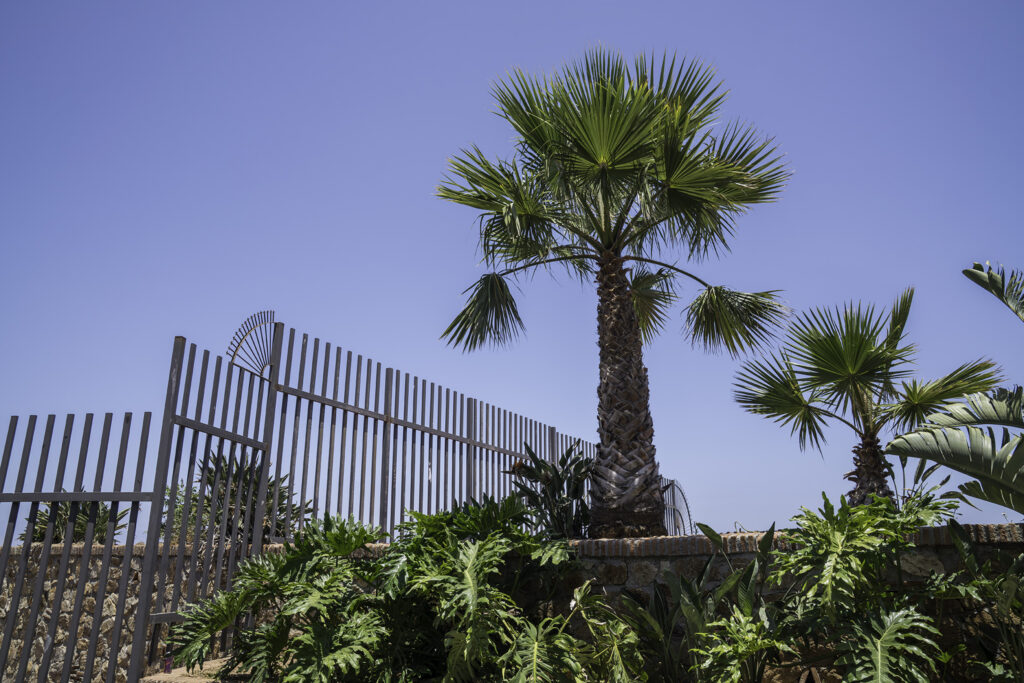
A third group of images connects this history to the present through more subtle artifacts of control and observation: security cameras, gates, fences, and walls. Together, these three strands allow connections to emerge across time and place, linking individual experience to the larger political and historical forces that continue to shape the region and become the metaphor for the contemporary world.
Across my work, I have consistently returned to the ways human presence alters and uses landscapes over time. This interest is connected to my own personal history. I grew up in former Yugoslavia- a country that no longer exists- and later immigrated to the United States as a young artist. Experiencing the dissolution of a home country and the process of resettlement has shaped my enduring interest in borders, transitions, and landscapes marked by historical change.
The Strait of Gibraltar represents a place where many of these themes converge with exceptional clarity. It is both periphery and center, a narrow geography that holds immense historical and contemporary weight. This project examines a much larger contemporary condition. Borders are simultaneously becoming more permeable and more fortified. People and commodities move across them with radically different degrees of freedom. Between the Pillars of Hercules builds a visual narrative of a place where these contradictions are clearly visible, and where the historical idea of a frontier continues to define the realities of the present.





Project generously supported by East Carolina University College of Fine Arts and Communication’s Research and Creative Activities Awards.